
Why DFW Is a Great Place to Start a Food Business: Is Dallas-Fort Worth the Best Market for Food Entrepreneurs?
How to Launch a Successful Food Startup in Dallas-Fort Worth Without the High Overhead
Starting a food business has never been more exciting, and few regions offer the opportunities found in Dallas-Fort Worth (DFW). From booming population growth and diverse communities to a thriving culinary scene, DFW has become one of the most attractive markets in the country for food entrepreneurs. Whether you’re launching a catering company, meal prep service, bakery, food truck, or specialty food brand, the right environment can make all the difference.
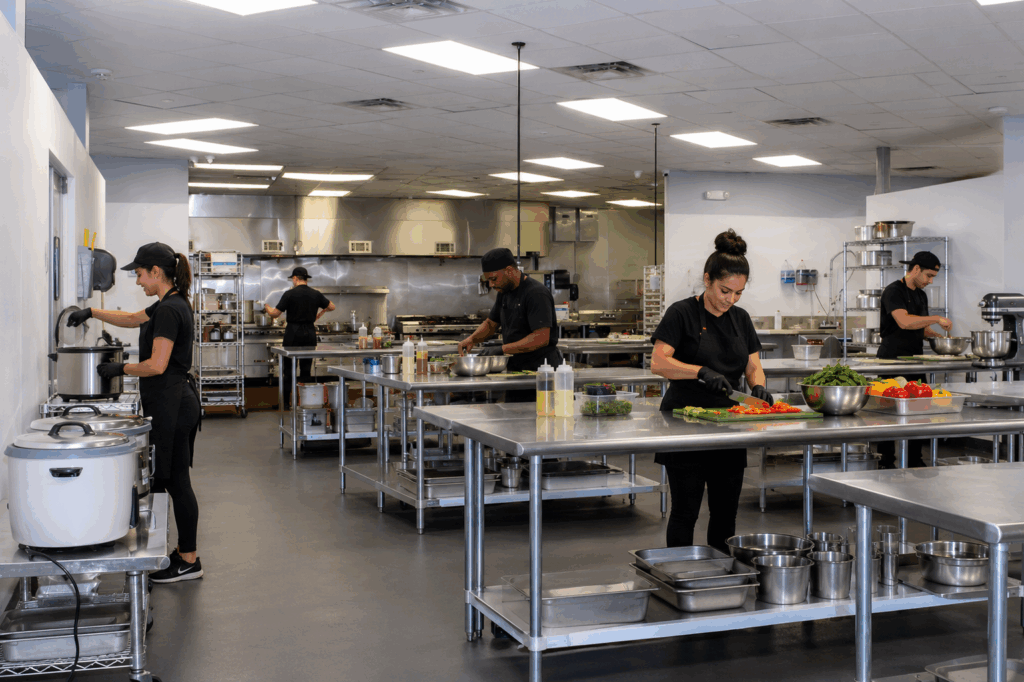
At The Cookline, we work closely with food business owners throughout the Dallas-Fort Worth area, helping them access licensed commercial kitchen space and the resources they need to grow. We understand the challenges that come with turning a food concept into a profitable business, and we’re committed to helping entrepreneurs navigate the process with confidence. Our flexible kitchen solutions allow businesses to start small, scale strategically, and focus on what matters most: creating great food and building loyal customers.
If you’ve been wondering whether DFW is the right place to launch your food business, here’s why so many entrepreneurs are choosing North Texas as their home base.
A Rapidly Growing Population Creates Endless Opportunities
One of the biggest advantages of starting a food business in DFW is the region’s remarkable population growth. According to recent U.S. Census data, Dallas-Fort Worth continues to rank among the fastest-growing metropolitan areas in the United States. New residents arrive every day, bringing diverse tastes, culinary preferences, and demand for innovative food options.
This growth creates opportunities across multiple food sectors, including:
- Catering services
- Meal delivery businesses
- Specialty baked goods
- Ethnic and cultural cuisine concepts
- Food trucks and mobile vendors
- Consumer packaged food products
Communities from Frisco and Plano to Lewisville, Denton, Arlington, and Fort Worth continue to expand, providing food entrepreneurs with access to new customer bases and untapped markets.
For startups, a growing population means more potential customers and greater opportunities to establish a loyal following before entering highly saturated markets elsewhere.
DFW’s Diverse Food Culture Supports Innovation
Dallas-Fort Worth is known for much more than Texas barbecue. The region’s cultural diversity has helped create one of the most dynamic food scenes in the country.
Consumers throughout North Texas actively seek:
- International cuisines
- Plant-based options
- Health-conscious meal services
- Artisan baked goods
- Specialty beverages
- Locally made food products
Neighborhoods throughout Dallas, Irving, Richardson, Carrollton, and Fort Worth showcase cuisines from around the world, creating an environment where unique food concepts can thrive.
This diversity gives entrepreneurs the freedom to experiment with niche products and specialized offerings. Rather than competing solely on price, businesses can differentiate themselves through quality, authenticity, convenience, or innovation.
For aspiring food business owners, DFW offers a customer base that is eager to try something new.
Lower Startup Costs Compared to Traditional Restaurant Models
Opening a full-service restaurant often requires significant upfront investment. Between lease agreements, build-outs, equipment purchases, permits, and staffing, startup costs can quickly become overwhelming.
Many successful food entrepreneurs are choosing alternative business models that reduce risk while maintaining growth potential.
Examples include:
- Catering companies
- Ghost kitchens
- Meal prep businesses
- Bakery startups
- Food product manufacturing
- Farmers market vendors
Using a licensed commercial kitchen allows entrepreneurs to meet health regulations without the expense of securing their own restaurant space.
At The Cookline, food business owners can access professional kitchen facilities that help them launch and operate legally while keeping overhead manageable. This approach allows startups to validate their concepts, build revenue, and scale at a pace that makes sense for their business goals.
Strategic Location and Transportation Advantages
DFW’s central location provides a significant advantage for food businesses serving local customers or distributing products regionally.
The area’s transportation infrastructure includes:
- Dallas Fort Worth International Airport
- Major interstate highways
- Extensive logistics networks
- Access to regional and national shipping routes
For food product companies, this connectivity simplifies distribution and supply chain management. Businesses producing packaged goods can efficiently reach retailers and customers across Texas and beyond.
For catering companies and meal delivery services, DFW’s highway network makes it easier to serve customers throughout the Metroplex, from downtown Dallas to Fort Worth and surrounding suburbs.
This strategic location supports both local growth and long-term expansion opportunities.
Strong Entrepreneurial Ecosystem and Business Support
Dallas-Fort Worth consistently ranks among the top regions in the country for business growth and entrepreneurship. The area’s supportive business climate benefits food entrepreneurs in several ways.
Local resources often include:
- Small business development programs
- Entrepreneur networking groups
- Food-focused incubators and accelerators
- Farmers markets and vendor events
- Local business associations
Many food entrepreneurs find valuable partnerships through community events, industry organizations, and local business networks.
The region’s entrepreneurial spirit also means customers are often excited to support local startups and emerging brands. Consumers increasingly seek out locally made products and community-based food businesses, creating additional opportunities for growth.
Combined with flexible kitchen access and strong market demand, DFW offers an ecosystem designed to help entrepreneurs succeed.
Why Commercial Kitchen Access Matters for Food Business Success
One common obstacle for aspiring food entrepreneurs is finding a licensed space that meets health department requirements.
Operating from a professional commercial kitchen provides several important benefits:
- Compliance with local regulations
- Access to commercial-grade equipment
- Flexible scheduling options
- Lower startup costs
- Room to scale as demand grows
Rather than committing to an expensive long-term lease, many entrepreneurs use shared commercial kitchen space to test products, fulfill orders, and expand strategically.
This flexibility is especially valuable in a fast-growing market like Dallas-Fort Worth, where customer demand can increase quickly and businesses need room to adapt.
Build Your Food Business in One of America’s Fastest-Growing Markets
Dallas-Fort Worth offers a unique combination of population growth, culinary diversity, business-friendly conditions, and entrepreneurial energy. Whether you’re launching a catering company, bakery, meal prep service, food truck, or specialty food brand, DFW provides the customer base and infrastructure needed to succeed.
The key is starting with the right foundation. Access to a licensed commercial kitchen can help reduce risk, control costs, and position your business for long-term growth.
Ready to start your food business in DFW? Contact The Cookline today to learn how our commercial kitchen solutions can help you launch, grow, and thrive in one of the nation’s most exciting food markets.