
What Are the Most Important Food Safety Tips Every Food Entrepreneur Should Follow?
The most important food safety tips for every food entrepreneur are to follow the four core food safety principles: clean, separate, cook, and chill. In addition, maintain proper personal hygiene, monitor food temperatures, prevent cross contamination, sanitize equipment, and use a licensed commercial kitchen when required. These practices reduce the risk of foodborne illness, help meet health regulations, and build customer trust.
Launching a food business takes more than great recipes. It also requires a strong commitment to food safety. At The Cookline, we provide licensed commercial kitchen space where food entrepreneurs can prepare products in a professional environment designed to support safe food handling and regulatory compliance. Whether you’re a caterer, baker, meal prep company, food truck owner, or private chef, following proper food safety procedures protects both your customers and your reputation. Our goal is to help entrepreneurs grow confidently by providing clean, well-equipped commercial kitchens that make safe food preparation part of everyday operations.
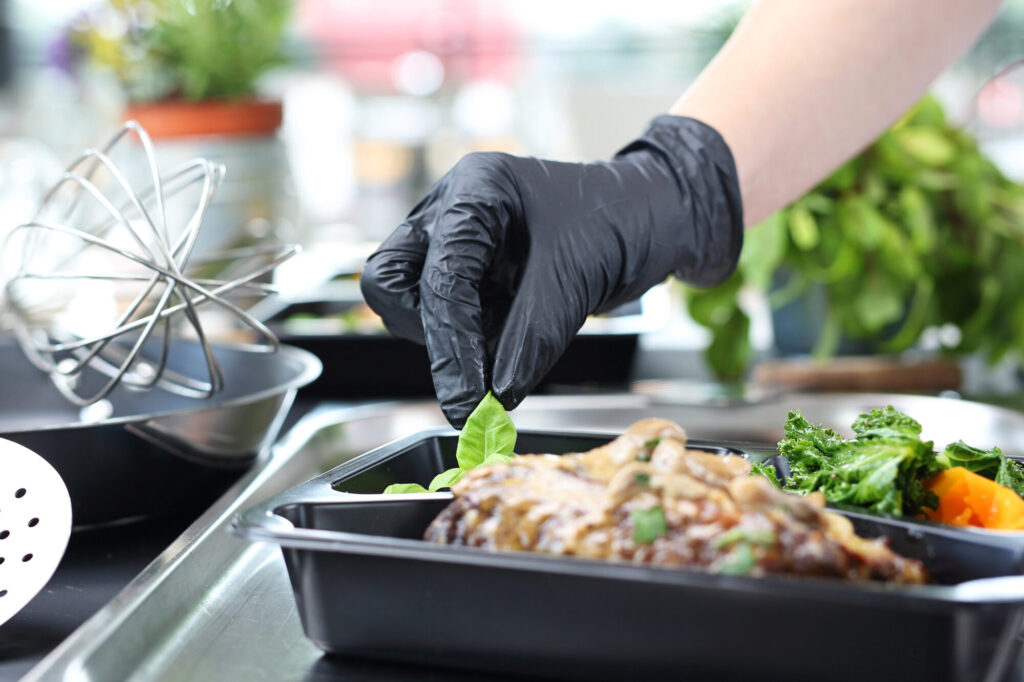
Essential Food Safety Practices for Food Businesses
What are the four basic food safety rules?
The foundation of food safety is simple: Clean, Separate, Cook, and Chill. The Centers for Disease Control and Prevention (CDC) and FoodSafety.gov recommend these four steps as the best way to prevent foodborne illness.
Follow these best practices:
- Clean: Wash hands with soap and water for at least 20 seconds. Clean and sanitize work surfaces, utensils, and equipment frequently.
- Separate: Keep raw meat, poultry, seafood, and eggs away from ready-to-eat foods to prevent cross contamination.
- Cook: Use a food thermometer to ensure foods reach safe internal temperatures.
- Chill: Refrigerate perishable foods promptly and keep cold foods at safe temperatures.
These simple habits should become part of every food entrepreneur’s daily routine.
Why is temperature control so important?
Proper temperature control is one of the most effective ways to prevent harmful bacteria from multiplying.
Keep these temperature guidelines in mind:
- Refrigerate foods at 40°F (4°C) or below
- Keep hot foods at 140°F (60°C) or above
- Cool cooked foods quickly before refrigeration
- Never leave perishable food at room temperature for more than two hours (or one hour in very hot conditions)
The FDA emphasizes that proper cooking and refrigeration significantly reduce the risk of foodborne illness.
How can food entrepreneurs prevent cross contamination?
Cross contamination happens when bacteria spread from one food or surface to another. It is one of the leading causes of foodborne illness.
Reduce the risk by:
- Using separate cutting boards for raw meats and produce
- Washing hands after handling raw proteins
- Sanitizing knives and prep tables between tasks
- Storing raw meat below ready-to-eat foods in refrigerators
- Using clean gloves when appropriate and changing them often
According to the CDC, contamination can occur at any point during food preparation, making careful handling essential throughout the process.
Why should food entrepreneurs use a commercial kitchen?
A licensed commercial kitchen provides the environment needed to maintain professional food safety standards.
Benefits include:
- Commercial sanitation stations
- Stainless steel work surfaces that are easier to sanitize
- Walk-in refrigeration and freezer storage
- Dedicated handwashing sinks
- Proper food storage areas
- Equipment designed for commercial food production
Using a professional kitchen also helps entrepreneurs meet local health department requirements while building customer confidence.
How often should food safety procedures be reviewed?
Food safety should be part of every workday, not just something reviewed before an inspection.
Create simple daily checklists that include:
- Handwashing reminders
- Equipment sanitation schedules
- Refrigerator and freezer temperature logs
- Food labeling and date marking
- Cleaning assignments
- Waste disposal procedures
Regular training helps employees develop consistent habits that protect both customers and the business.
According to the CDC, approximately 48 million Americans experience foodborne illness each year, resulting in about 128,000 hospitalizations and 3,000 deaths. Following proven food safety practices helps reduce these risks.
Common Food Safety Mistakes to Avoid
Many food safety issues are preventable.
Avoid these common mistakes:
- Guessing food temperatures instead of using a thermometer
- Reusing dirty towels or utensils
- Leaving food out too long during prep
- Forgetting to label and date stored food
- Inadequate handwashing
- Overcrowding refrigerators, which limits proper airflow
Correcting these habits can significantly improve both food quality and customer safety.
Frequently Asked Questions
Do I need a commercial kitchen to sell food?
Depending on your business model and local regulations, yes. Many food businesses preparing products for sale must use a licensed commercial kitchen to comply with health department requirements.
What is the biggest food safety mistake small food businesses make?
Improper temperature control and cross contamination are among the most common food safety mistakes. Using food thermometers and following cleaning procedures helps prevent both.
How often should food preparation surfaces be sanitized?
Food contact surfaces should be cleaned and sanitized before food preparation begins, between handling different food types, and after each use.
Why is food safety important for new food entrepreneurs?
Food safety protects customers, supports regulatory compliance, reduces liability, and strengthens your business reputation. One food safety incident can have lasting consequences for a growing business.
Ready to Build Your Food Business in a Professional Kitchen?
Great food deserves a safe, professional environment. Whether you’re launching a catering company, bakery, meal prep service, or specialty food brand, The Cookline provides licensed commercial kitchen space designed to help food entrepreneurs operate with confidence.
Ready to grow your business while maintaining the highest food safety standards? Contact The Cookline today to learn more about our flexible commercial kitchen memberships.